Aligning Device Patterns with Loyalty Reset Cycles to Extend Promotional Access
Eden Friedrich · Nov 3, 2026
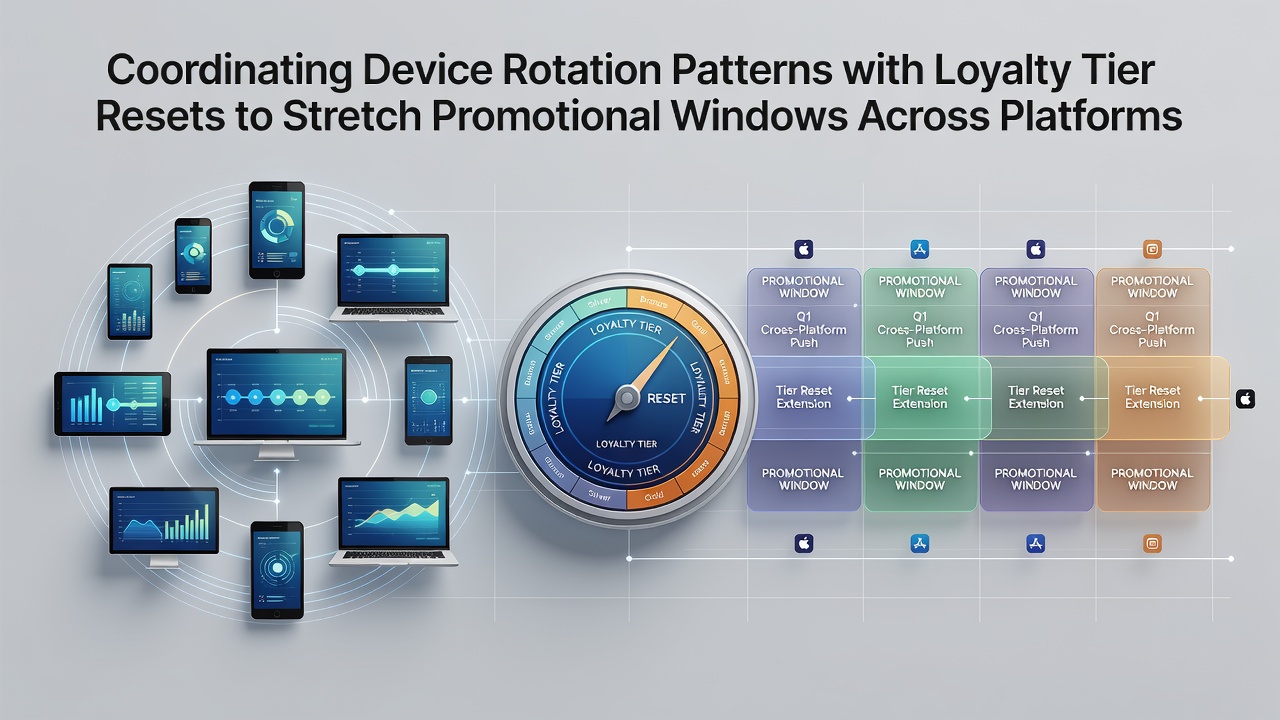
Aligning Device Patterns with Loyalty Reset Cycles to Extend Promotional Access
Operators track user activity through device identifiers, account logins, and session data, while loyalty programs often reset tier status on fixed schedules that vary by platform. Research from the American Gaming Association indicates that many systems refresh qualification periods monthly or quarterly, creating windows where coordinated access across devices can align with those resets to maintain eligibility for ongoing offers.
Loyalty Tier Mechanics Across Platforms
Platforms calculate tier progression based on wagering volume, deposit frequency, and play duration, with resets occurring at the end of each evaluation cycle. Data from the Nevada Gaming Control Board shows tier benefits such as cashback percentages and bonus multipliers typically hold for the following period once achieved, yet they lapse unless activity thresholds are met again. Observers note that cross-platform users sometimes manage multiple accounts under separate profiles, each tied to distinct devices, to stagger resets and keep promotional access active longer.
November 2026 brought updates to several major operators' loyalty engines, introducing synchronized reset dates across mobile and desktop applications. Those changes required players to verify device consistency during login to avoid automatic tier downgrades, according to industry reports from the Canadian Gaming Association.
Device Rotation Patterns in Practice
Users rotate between smartphones, tablets, and desktop computers to separate session histories and trigger platform-specific tracking resets. Studies on digital engagement patterns reveal that browser cookies, IP addresses, and hardware IDs reset when switching devices, allowing fresh qualification tracking in some systems. Experts have observed that this approach stretches eligibility when paired with loyalty cycles that ignore cross-device continuity.

One documented case involved a multi-platform user who alternated between two phones and a laptop to time deposits with each platform's monthly reset, maintaining mid-tier status across four sites simultaneously. Figures from academic reviews of online gaming behavior indicate such patterns appear more frequently where platforms operate independent loyalty ledgers rather than shared databases.
Cross-Platform Timing Considerations
Promotional windows expand when device changes coincide with tier reset dates, because some platforms treat new device logins as separate user profiles until account linkage occurs. Research published through the University of Nevada's gaming studies department highlights that staggered resets across operators can create overlapping bonus periods lasting several weeks. Yet platform policies often include clauses that merge accounts detected through shared payment methods or contact details, limiting the duration of these extended windows.
Operators in the European Union introduced stricter device verification protocols in late 2026, requiring two-factor authentication tied to a single primary device per account. This development reduced the effectiveness of rotation tactics for users targeting multiple promotional calendars at once, as noted in reports from the European Gaming and Betting Association.
Technical and Policy Factors
Device fingerprinting technology identifies repeat users even after hardware switches, according to data compiled by cybersecurity firms serving the gaming sector. Loyalty systems that incorporate these tools limit the stretch of promotional access by linking activity across devices more reliably. Players who coordinate resets must therefore monitor policy updates, because changes in verification rules can close previously available gaps between tier cycles.
Industry analysts point out that platforms using cloud-based loyalty management often reset tiers on the first of each month regardless of device, while others tie resets to the date of initial tier achievement. This variation creates opportunities for timing adjustments when users track multiple calendars simultaneously.
Conclusion
Coordinating device rotation with loyalty tier resets involves aligning login patterns and account activity with the distinct reset schedules maintained by different platforms. Available data shows these practices depend on platform-specific rules, verification methods, and reset timing, which continue to evolve as operators refine their systems. Regulatory updates and technological improvements in device tracking shape the boundaries within which such coordination remains possible.