Aligning Session Lengths with Game Features in Virtual Casinos to Maintain Interest
Mia Brooks · Nov 17, 2026
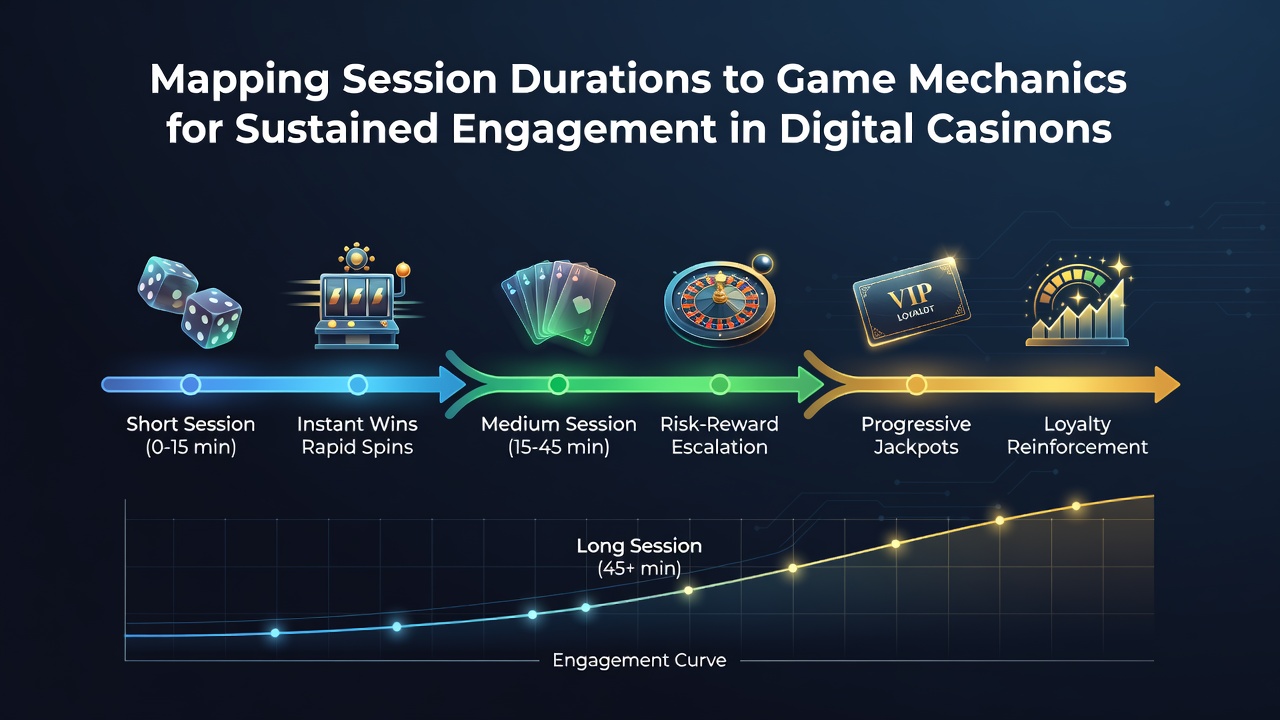
Aligning Session Lengths with Game Features in Virtual Casinos to Maintain Interest
Digital casino platforms rely on precise connections between session lengths and underlying game mechanics to encourage continued participation, with operators examining data patterns that show how specific features influence how long users remain active. Research from academic institutions indicates that elements like progressive multipliers and adaptive difficulty levels correlate with extended play periods when calibrated to average user attention spans of 25 to 45 minutes per sitting.
Core Mechanics That Shape Play Duration
Game designers map mechanics such as reel variance in slots or betting intervals in table games to session goals by adjusting payout frequencies and bonus triggers, and figures from industry reports reveal that low-variance options paired with frequent small rewards sustain shorter bursts while high-variance titles with delayed jackpots extend longer engagements. Observers note that auto-play functions combined with customizable speed settings allow users to align their available time with the pace of outcomes, creating seamless transitions between quick checks and deeper sessions.
Those who've analyzed platform analytics find that loyalty tiers often tie directly to accumulated playtime, where reaching higher levels unlocks mechanics like enhanced free spins that reward consistent session building rather than isolated visits. Data from regulatory bodies in multiple regions shows seasonal shifts, including patterns observed around November 2026 where mobile integrations increased average session continuity by incorporating push notifications tied to real-time mechanic updates.
Strategies for Matching Durations to Engagement Tools
Operators implement layered bonus systems that escalate rewards based on time spent within a single session, and studies from research centers demonstrate how these progressions prevent abrupt drop-offs by introducing new mechanics at predicted fatigue points around the 30-minute mark. Take one analysis where experts tracked roulette variants incorporating streak multipliers, which extended average durations by linking consecutive wins to escalating visual and auditory cues that maintain focus without overwhelming shorter visits.
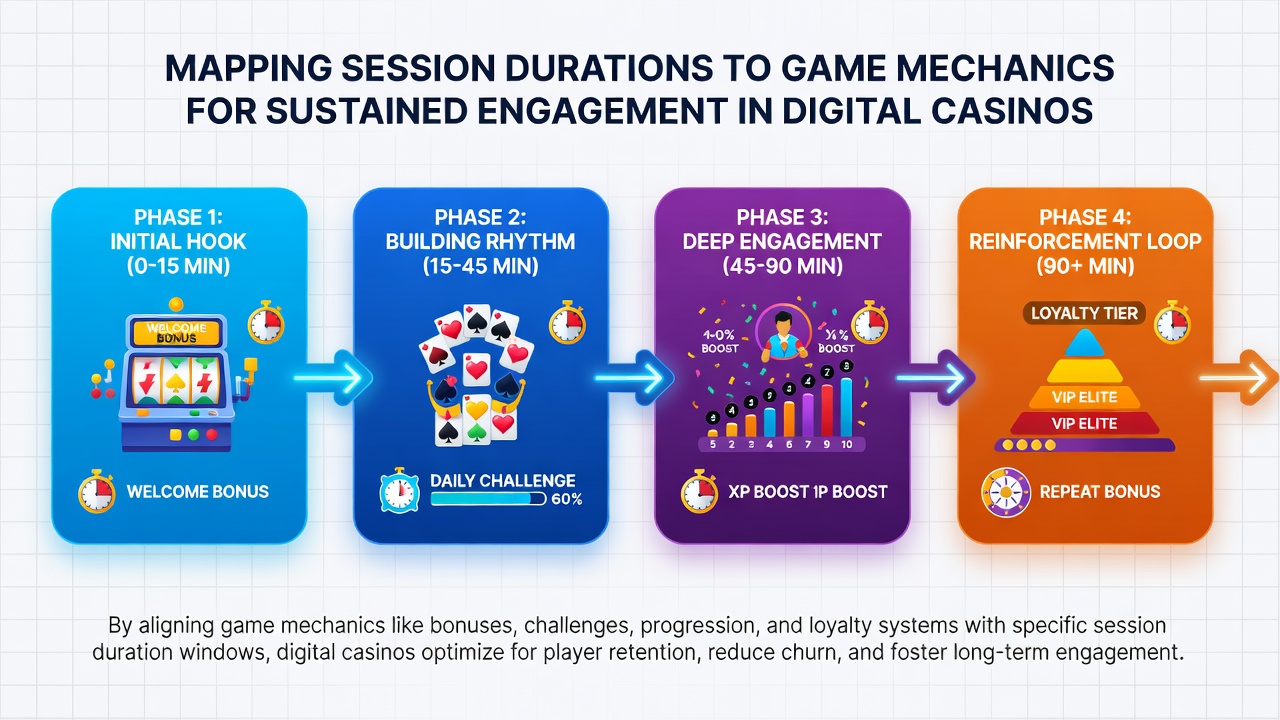
Live dealer integrations further refine this mapping through interactive elements like community chat that activate during peak hours, while data indicates European oversight agencies have documented how these social layers add 10 to 15 minutes to typical sessions by blending game rules with real-time participant dynamics. Platforms also deploy session reminders that reference remaining bonus thresholds, guiding users toward mechanics that convert partial progress into full completion without forcing extended commitments.
Regional Variations and Data Insights
Analyses from Australian research groups highlight how time-limited events align with local player habits, using mechanics such as countdown timers on jackpot pools to compress or stretch sessions depending on daily traffic. In contrast, North American state regulators track similar metrics through compliance reports that emphasize transparent display of mechanic probabilities, ensuring users understand how features like cascading reels influence potential play length before committing time.
Industry associations compile cross-platform comparisons showing that titles incorporating adaptive soundtracks and visual themes tied to session milestones achieve steadier retention across varied durations, and one case revealed developers adjusting mechanic density in card games to match peak evening windows in different time zones. What's significant is the role of A/B testing in refining these alignments, where small mechanic tweaks yield measurable shifts in how users distribute their time across multiple games within one visit.
Future Developments Around November 2026
Projections for November 2026 point toward greater incorporation of AI-driven adjustments that personalize mechanic pacing based on historical session data, allowing platforms to suggest games whose features match a user's typical engagement window. Government agencies in Canada have begun outlining guidelines for such tools to maintain fairness while supporting sustained interaction through balanced reward structures.
Those monitoring trends observe rising use of cross-device syncing that preserves mechanic states across sessions, reducing the friction of restarting progress and thereby encouraging return visits that build on prior durations. External reports from gaming trade organizations further detail how these evolutions integrate with responsible play features, such as optional session caps that still preserve core engagement loops.
Conclusion
Effective mapping of session durations to game mechanics continues to evolve through data-driven refinements that balance user preferences with platform objectives across global markets. As new tools emerge, operators maintain focus on transparent mechanics that support varied play patterns without disrupting natural engagement rhythms.