Mapping Interconnected Reward Pathways Across Multi-Platform Gaming Ecosystems
Eden Friedrich · Oct 20, 2026
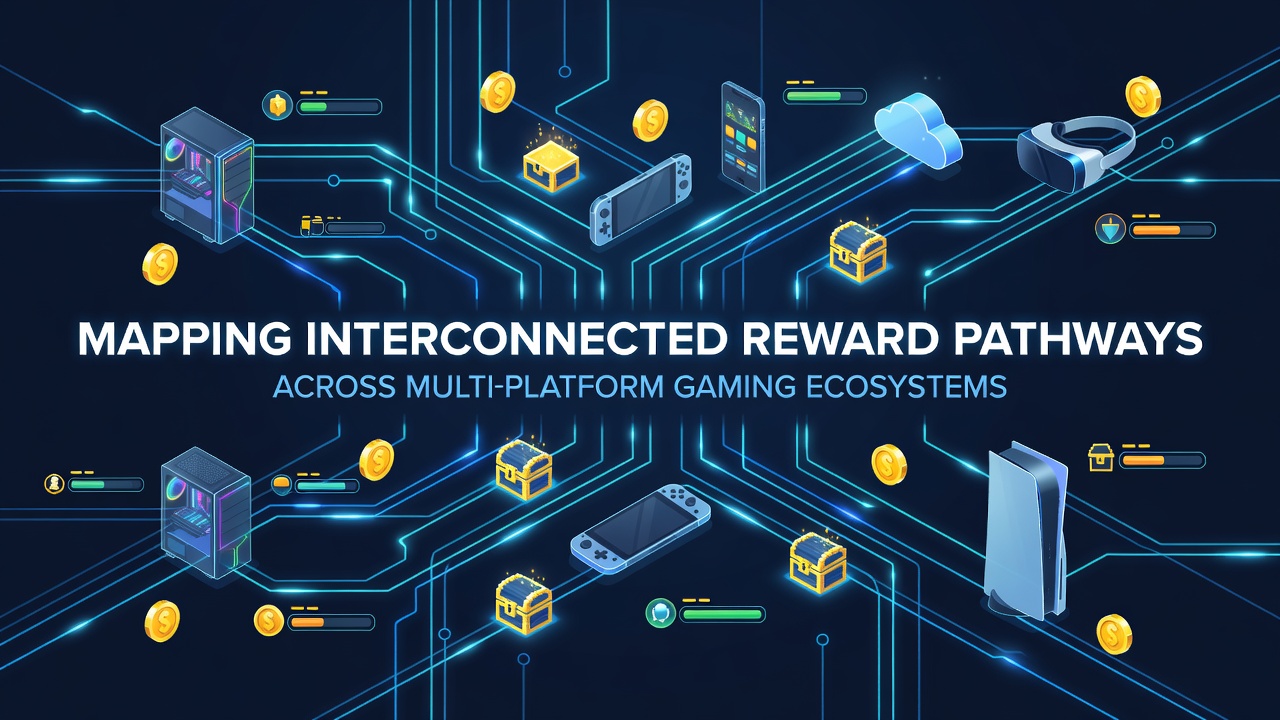
Mapping Interconnected Reward Pathways Across Multi-Platform Gaming Ecosystems
Game developers now track reward structures that span consoles, PCs, and mobile devices in unified ecosystems where progress in one environment feeds directly into another. Researchers at institutions across North America and Europe have documented how these pathways connect achievements, virtual currencies, and loyalty tiers through shared account systems and API integrations that update in real time.
Core Components of Cross-Platform Reward Mapping
Platforms such as Steam, PlayStation Network, and various mobile storefronts share data layers that allow players to carry forward experience points, cosmetic items, and status levels without resetting upon device changes. Data from industry reports released in October 2026 indicate that over 65 percent of major titles now include cross-progression features, a figure compiled by the Entertainment Software Association in collaboration with Canadian regulatory bodies tracking digital marketplaces.
Mapping exercises typically begin with identification of primary nodes where rewards originate, such as daily login bonuses on mobile apps, then trace how those values convert into console-based events or PC tournament entries. Engineers use graph databases to visualize these connections, ensuring that multipliers applied on one platform adjust automatically when a user switches devices.
Technical Integration Methods
Developers rely on standardized protocols including OAuth frameworks and proprietary cloud services to synchronize reward states across ecosystems. One study conducted by researchers at the University of Melbourne examined 120 titles and found that seamless pathways reduce player churn by measurable margins when accounts link without friction. These integrations also incorporate regional compliance checks, drawing on guidelines from the Australian Competition and Consumer Commission to handle currency conversions and data privacy across borders.
Additional layers appear in seasonal events where limited-time rewards earned on handheld devices unlock console exclusives, creating feedback loops that encourage continued engagement across multiple hardware types. Observers note that such designs require constant monitoring because a single point of failure in the synchronization chain can erase accumulated progress for thousands of users simultaneously.
Regulatory and Industry Influences
Government agencies outside the UK continue to shape how these pathways operate. The U.S. Federal Trade Commission has issued guidance on transparent disclosure of reward mechanics in cross-platform titles, while the European Commission monitors interoperability standards to prevent vendor lock-in. Industry groups like the International Game Developers Association publish best-practice documents that recommend clear mapping documentation so players understand exactly how actions on one device affect totals elsewhere.
October 2026 saw several studios publish updated technical whitepapers detailing revised reward graphs after new privacy rules took effect in multiple jurisdictions. These documents show increased use of anonymized telemetry to refine pathway efficiency without exposing individual player data.
Practical Examples from Current Titles
Take one popular battle royale franchise that lets mobile players earn battle-pass tiers transferable to console versions, with experience multipliers stacking when users complete linked daily challenges across both. Another case involves a role-playing series where collectible items obtained through PC raids appear in mobile companion apps, allowing inventory management during commutes. Those who've analyzed telemetry logs report that players utilizing multiple platforms complete reward cycles faster than single-device users.
What's interesting is how these systems handle edge cases, such as temporary platform outages or regional store differences. Developers maintain fallback queues that queue reward grants until synchronization resumes, preserving teh integrity of the overall map.
Conclusion
Mapping interconnected reward pathways requires ongoing collaboration between technical teams, regulatory bodies, and platform holders to maintain accuracy and fairness. As ecosystems expand into new hardware categories, the underlying graphs grow more complex yet remain essential for consistent player experiences across devices.